It was hot, and the room was smaller than the day needed it to be. Thirty-two children, girls and boys, filled every corner of the hall at the Daw’ al-Qamar charity in Jabal al-Hussein camp. A few of them arrived with their arms folded, not sure they wanted to be there at all.
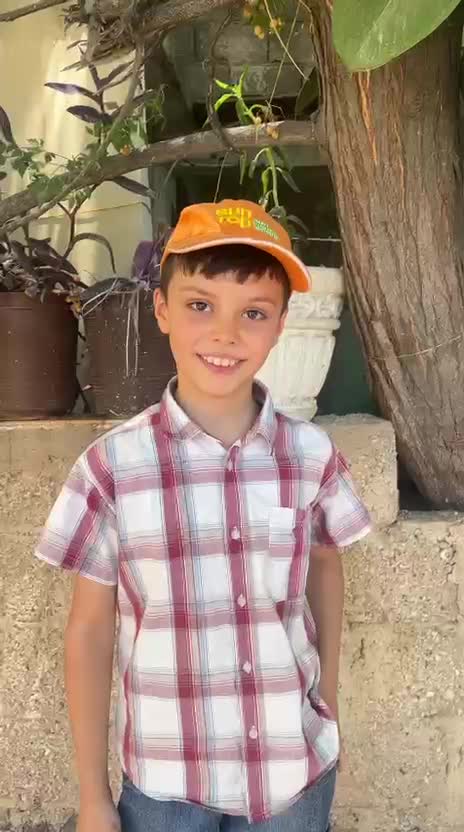
By the time they left, one of them looked into the camera and said he had learned how to speak English. And he meant it.
That is the thing about teaching children through art: you rarely have to convince them. You build the room, hand them the game, and get out of the way. Today the Izhar Aljabal team built three of those rooms, one after another.
Norma: making music with the body
The children begin by making sounds and movements with their own bodies, all on a single rhythm, a beat that lands soft and pleasant on the ear. Norma calls out key signals: a particular sound, a particular gesture. Each signal tells the children what to make next, and she moves between them, threading one sound into the next until a continuous, shared rhythm builds across the whole group, synchronised in time, and genuinely beautiful to hear.
It is a workshop in group spirit as much as in music. At the start the rhythm is scattered and random, thirty-two children each keeping their own time. Then Norma’s small corrections and cues start to land, and something clicks. The room stops being a crowd and becomes a single instrument. After a while everyone is inside the same beat, and it turns into real music.
Norma: the ball game
Same idea, sharpened into a game built entirely on listening and focus. Norma introduces two signals. “Tee” means pass the ball to the person beside you. “Toh” means throw it across the circle to anyone you choose, but only after you look them straight in the eye. Say the word, make the move.
At first the group is shy. Most of them do the movement but swallow the sound, passing and throwing in silence. It turns out the hardest part isn’t catching a ball, it’s letting your own voice be heard in a room full of people. With Norma’s guidance they push past it one child at a time, and by the end the circle is moving and calling together, loud and focused as one.
Nadeem: English through acting
Nadeem built the most creative activity of the day. The children already love to improvise and play different roles, so this time he folded English straight into the acting. Each group had to perform a short scene with English lines woven through it, and suddenly the language wasn’t a subject to be scared of. It was just what your character happened to say.
The result was immediate. The children wanted to be up there, acting and speaking English, and the nerves fell away. They wrote down new words and practised them out loud, over and over, until the words belonged to them.
The thing they enjoyed most was the acting. The thing they gained most was the language. That is the whole method in one sentence, said better by a child than we could ever say it ourselves.
What was hard, and what we’re changing
It was a good day, but not a frictionless one. The team ran into real limits: the size of the space, the heat, and more children than the room could comfortably hold. None of that is a footnote when you are trying to hold the attention of thirty-two kids. We talked it through together in our meeting straight after the workshops and agreed on a set of concrete changes, so that the next session gives these children an even better experience of learning through theatre.
Voices from the room
At the end, we turned the camera around and asked the children two simple questions: what did you enjoy most today, and what did you learn? We didn’t script the answers. We didn’t need to.
Three children, the same two answers. That isn’t a coincidence, and it isn’t our talking point. It’s just what happens when you let kids learn a language by living inside a story instead of staring at a worksheet.
The subtitles are our English translation of what the children said in Arabic.
النسخة العربية: ورشات اليوم مع فريق إزهار الجبل
في جمعية ضوء القمر الخيرية، التقى فريق إزهار الجبل بـ٣٢ طفلاً وطفلة في يومٍ من التعلّم عبر الفنّ والموسيقى والمسرح.
نورما: ورشة الموسيقى عبر الجسد
يبدأ الأطفال بإصدار أصواتٍ وحركاتٍ من خلال أجسادهم على إيقاعٍ واحد، بنغمةٍ مريحةٍ للأذن. تُعطي نورما إشاراتٍ مفتاحية: صوتٌ معيّن أو حركةٌ معيّنة، وكلّ إشارةٍ تأمر الأطفال بإصدار صوتٍ أو أداء حركة، وتنتقل بينها لتبني إيقاعاً متّصلاً ومتناغماً في المجموعة، متجانساً في الزمن وجميلاً للسمع. يعزّز النشاط روح المجموعة والتركيز لدى كلّ طفل؛ ففي البداية يكون الإيقاع مشتّتاً وعشوائياً، ومع ملاحظات نورما وتوجيهاتها يتّحد الأطفال بعد مرحلةٍ متقدّمة من العمل حتى يتّصل الجميع في إيقاعٍ واحد، فتُولد موسيقى جميلة.
نورما: ورشة رمي الكرة
على النهج نفسه في بناء مهارتَي الإصغاء والتركيز، قدّمت نورما نشاط رمي الكرة بإشارتين مفتاحيّتين: «تي» تعني مرِّر الكرة إلى الشخص المجاور، و«تو» تعني اقذفها عشوائياً إلى شخصٍ آخر بعد النظر في عينيه مباشرةً وبتركيز. كانت المجموعة مرتبكةً في البداية وتتردّد في ترديد الأصوات أثناء التمرير أو الرمي؛ إذ يكتفي معظمهم بالحركة دون الصوت. لكن بتوجيهات نورما تجاوزت المجموعة هذا الحاجز وتقدّمت في النشاط وركّزت معاً.
نديم: تعليم الإنجليزية عبر التمثيل والارتجال
طوّر نديم نشاطاً إبداعياً وعملياً للغاية. الأطفال يحبّون الارتجال وتمثيل الأدوار المختلفة، لكن هذه المرّة قرّر نديم دمج مهارة تعلّم الإنجليزية مع التمثيل: طلب من المجموعات أداء مشهدٍ معيّن يتخلّله نصٌّ باللغة الإنجليزية. كانت النتائج إيجابيةً جداً، وأقبل الأطفال بحماسٍ على التمثيل والتحدّث بالإنجليزية؛ كتبوا كلماتٍ جديدة وتمرّنوا عليها بصوتٍ عالٍ وبإتقان.
أصوات من الغرفة
في نهاية اليوم سألنا الأطفال سؤالين: ما أكثر ما استمتعت به اليوم، وما الذي تعلّمته؟ أجاب يوسف أنّ أحبّ شيءٍ إليه كان التمثيل، وأنّه تعلّم كيف يتحدّث الإنجليزية. وقال حمد الشيء نفسه. ثلاثة أطفال، والإجابة واحدة.
الخلاصة
كان يوماً مثمراً في جمعية ضوء القمر الخيرية؛ تعلّم الأطفال عبر الفنّ والموسيقى والتمثيل. واجه فريق إزهار الجبل بعض التحدّيات من ناحية المساحة، وارتفاع درجة الحرارة، وعدد الأطفال الذي فاق طاقة المكان الاستيعابية. وقد ناقش الفريق هذه التحدّيات في اجتماعه بعد الورشات، واتّفق على نقاطٍ تحسينيةٍ ستُسهم في تقديم تجربةٍ تعليميةٍ مميّزةٍ للأطفال من خلال المسرح.